How to Solve Kitchen Clogs and Leaky Disposals Using Household Tools
Plumbing issues have a habit of showing up at the worst times. The good news is that you don’t always have to wait for service to resolve simple issues. Knowing how to use a few plumbing tools and understanding why your fixtures are acting up can save you time and money.
Choosing the Right Plunger for the Job
Most people keep a single plunger tucked behind the toilet and assume it works for every drain in the house. In reality, using the wrong plunger is the main reason why many DIY unclogging attempts fail.
- Cup Plunger — This is the classic plunger with a simple, flat-bottomed rubber cup. It is designed specifically for flat surfaces like kitchen sinks, utility sinks, and bathtubs. It cannot form a proper seal in a curved toilet bowl.
- Flange Plunger — Also known as a toilet plunger, this style has a soft rubber flap that extends out from the bottom of the cup. This extra sleeve is designed to fit snugly inside the curved throat of a toilet drain to create the airtight seal necessary for suction.
- Accordion Plunger — Made of hard plastic, this plunger uses a series of ridges to force a large volume of water down the drain. While highly effective for tough toilet clogs, it can easily scratch delicate porcelain if you aren’t careful.
How to Properly Use a Plunger
Plunging is not about brute force; it is about suction and pressure. Pushing too hard right away usually just splashes dirty water all over the place.
- Block the overflow drain: If you are clearing a double-basin kitchen sink or a bathroom sink, seal the secondary drain or overflow hole with a wet rag.
- Establish a water seal: There needs to be enough water in the sink or toilet bowl to completely submerge the rubber head of the plunger. Plunging air does nothing; plunging water transfers the physical force directly to the blockage.
- Angle to release trapped air: Lower the plunger into the water at an angle so the cup fills with water rather than trapping a pocket of air inside it.
- Form the seal and push gently: Press the cup firmly over the drain opening to create a tight seal. Your first push should be gentle to vacuum out any remaining air.
- Plunge with rhythmic, equal force: Vigorously push down and pull up in a straight, vertical line for 15 to 20 seconds. The pulling motion is more important than the pushing motion, as it dislodges the clog and pulls it apart.
How to Fix a Clogged Sink
When a plunger does not clear the blockage, the clog is likely sitting further down in the curved pipe underneath your sink, designed to trap sewer gases.
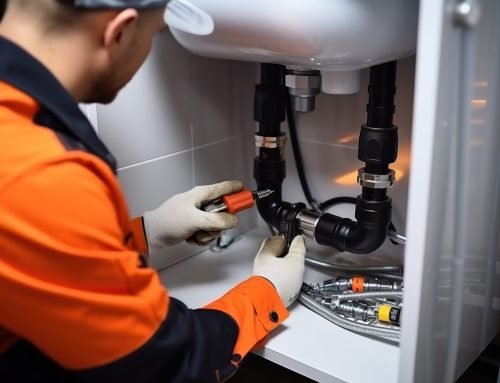
- Clear the P-trap. Place a bucket under the curved section of pipe. Unscrew the slip nuts by hand or with channel locks, remove the trap, dump the trapped debris into the bucket, clean the inside of the pipe, and reassemble.
- Use a Hand Auger (Plumbing Snake): If the P-trap is clear, the clog is deeper in the wall. Feed a hand auger into the wall pipe, rotating the handle clockwise when you feel resistance to grab and pull out hair, grease, or food buildup.
- Skip the Chemical Drain Cleaners: Chemicals rarely clear tough clogs completely. Instead, they sit in your pipes, generating high heat that can soften PVC pipes, corrode older metal lines, and make eventual professional repairs hazardous.
Why Is My Garbage Disposal Leaking?
A leaking garbage disposal can quickly ruin the wooden cabinet floor beneath your kitchen sink. Finding the exact origin of the drip tells you whether you have a quick tightening job or need a total replacement.
- Leaks at the top (Sink Flange): This usually points to loose mounting bolts holding the unit to the sink drain.
- Leaks from the side (Dishwasher Connection): This occurs when the hose clamp connecting your dishwasher drain line to the disposal is loose or cracked.
- Leaks from the bottom of the unit: This means the internal seals have failed, allowing water to pass through the motor housing. In this case, the internal mechanics are shot, and the disposal must be replaced.
Protect Your Home’s Kitchen Plumbing
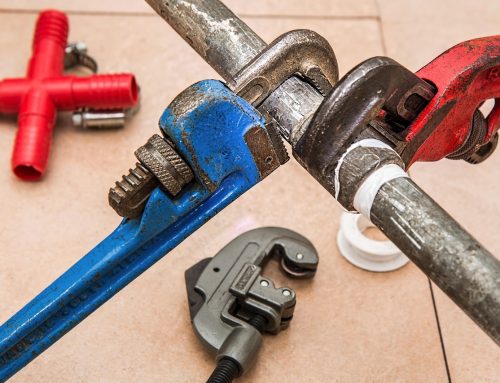
A minor sink leak or a stubborn clog can quickly turn into a messy, expensive headache if left unchecked. Keeping a few basic tools like a flat cup plunger and a pair of channel lock pliers on hand can help you manage minor issues before they get out of hand. If you are dealing with a sink clog, a garbage disposal leak, or you simply need a professional to handle the dirty work, JJ & Sons is here to help. We offer drain cleaning and plumbing repairs throughout New Baltimore and the surrounding Macomb County areas.